













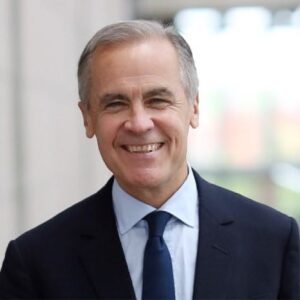
Prime Minister Mark Carney says U.S. President Donald Trump has not suggested in private discussions that he intends to abandon the North American trade pact, despite public speculation in Washington about the future of the agreement ahead of its scheduled 2026 review.
Carney said he held private talks with Trump and Mexican President Claudia Sheinbaum in Washington earlier this month during the FIFA World Cup draw. He described the conversation as focused on the process and scope of the upcoming review of the Canada-U.S.-Mexico Agreement (CUSMA), including the possibility of renegotiation, but not on withdrawing from the deal.
“We talked about the process for reviewing and renegotiating CUSMA, and about potential timelines, though nothing specific was finalized,” Carney said in a year-end interview with CBC News chief political correspondent Rosemary Barton.
The comments come as U.S. Trade Representative Jamieson Greer has publicly suggested that Washington could pursue separate bilateral deals with Canada and Mexico, or even exit the trilateral framework altogether. In recent remarks and a report tabled in Congress, Greer said all options remain under consideration, including renewal only if outstanding issues are resolved.
Trump had previously threatened to withdraw from NAFTA during his first term and has made similar remarks about CUSMA in public appearances. However, Carney said those warnings were not raised behind closed doors.
“In my discussions with President Trump — and in President Sheinbaum’s discussions as well — the focus has been on review and adjustment, not on leaving the agreement entirely,” Carney said.
Despite the existing trade deal, Canada continues to face steep U.S. tariffs, including 50 per cent duties on steel and aluminum, 10 per cent on softwood lumber, and 25 per cent on certain automotive exports and manufactured goods.
Carney, who won the April federal election campaigning on his ability to manage relations with Washington, has taken steps since taking office to ease tensions. These have included shelving a digital services tax and rolling back several retaliatory tariffs on U.S. goods. Still, no agreement has been reached to lift key sectoral tariffs.
Conservative Leader Pierre Poilievre has accused the government of failing to deliver results, arguing that U.S. tariffs on Canada have increased since Carney took office. Carney, however, maintains that Canada remains in a comparatively strong position, noting that CUSMA provides tariff exemptions not available to many other U.S. trading partners.
“The United States has fundamentally reshaped its trading relationships with the world, Canada included,” Carney said. “Having the best deal is important — and it can be better.”
Talks aimed at reducing steel and aluminum tariffs were reportedly making progress earlier this fall before being suspended by Trump in October. Canada’s trade minister, Dominic LeBlanc, has since said the U.S. is welcome to resume negotiations, though the next major opportunity for engagement is expected during the formal CUSMA review.
Carney confirmed that existing sectoral tariffs will be a central issue in those negotiations, arguing that freer trade in key industries ultimately benefits the U.S. economy as well.
“The United States has to decide whether it recognizes that it is stronger when goods like automobiles, steel, aluminum, lumber and aerospace products move more freely across the border,” he said.

