













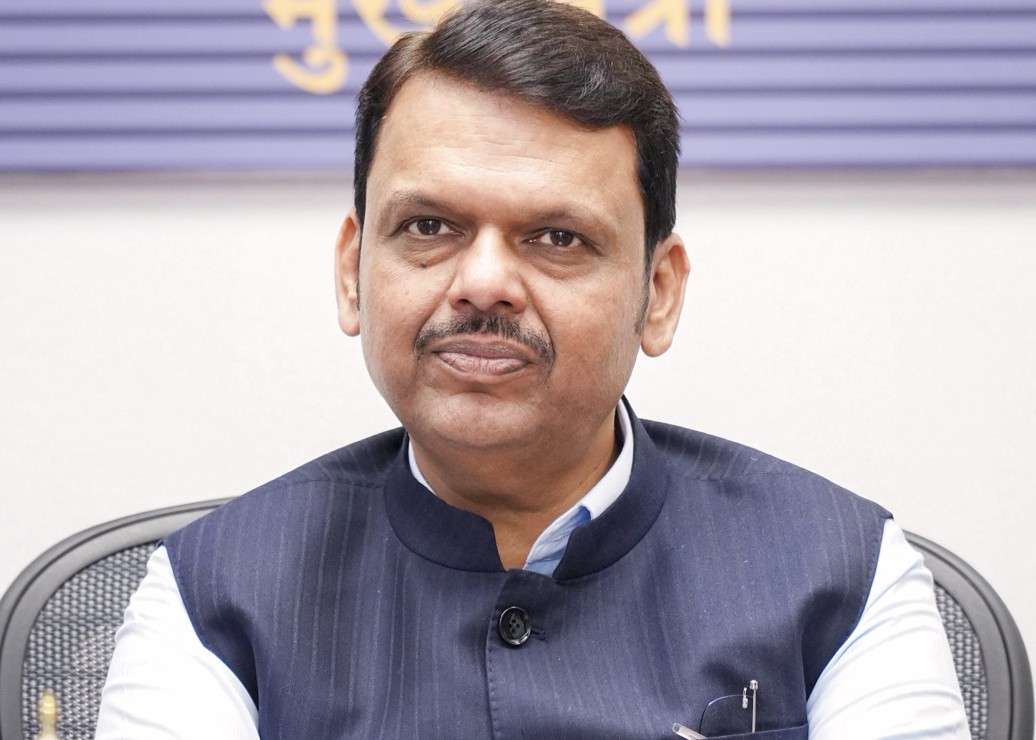
Chief Minister Devendra Fadnavis on Monday clarified that the Maharashtra Freedom of Religion Bill, 2026, is not directed against any specific religion. He emphasised that the Bill is being introduced solely to prevent religious conversions carried out through coercion, fraud, or allurement. He explained the government’s stance in his address to the Legislative Assembly.
The Bill, titled the Maharashtra Freedom of Religion Act, 2026, was tabled in the House on Friday by Minister of State for Home (Rural) Pankaj Bhoyar to curb conversions taking place through baiting, deception, or force. Fadnavis noted that anti-conversion laws are already in effect in several states, including Odisha, Arunachal Pradesh, Meghalaya, Chhattisgarh, Jharkhand, Uttarakhand, Himachal Pradesh, Uttar Pradesh, Madhya Pradesh, Haryana, Karnataka, and Rajasthan. Maharashtra has decided to follow this trend. He said Article 25 of the Constitution grants every citizen the right to profess, practise, and propagate their faith. However, coercing someone through fraud, pressure, force, or temptation is wrong, which makes such a law necessary. He added that individuals wishing to convert voluntarily must follow a legal process. They must inform authorised officials, and competent authorities will verify that the conversion is voluntary before granting approval. According to the proposed legislation, conversions carried out through force, threat, undue influence, fraud, or inducement will be treated as illegal. Marriages conducted solely for the purpose of unlawful conversion may be declared null and void by a court.
The Bill provides for imprisonment of up to seven years and fines for those found guilty of illegal conversions. Stricter penalties are proposed in cases involving women, minors, or persons belonging to the Scheduled Castes and Scheduled Tribes. Complaints may be filed by the affected individual or close relatives, and police may also take action in certain cases. Fadnavis urged members of the House to support the Bill, saying it is intended to protect citizens from unlawful conversions and maintain law and order. Supporting the Bill, Bhaskar Jadhav (Shiv Sena UBT) said it aims to protect the right to religious freedom and prevent illegal conversions. He said it is comprehensive and does not target any specific religion despite rumours. He argued that the objective is to curb unethical practices and misuse of religion. Jadhav said media claims suggesting the Bill targets a particular religion are false. The Bill applies to all religions equally and seeks to prevent coercion or inducement. He cited Dr B.R. Ambedkar’s 1956 conversion as voluntary and without coercion.
He added that every religion has certain harmful practices that infringe on human rights, and that the Bill is meant to regulate such practices legally. He raised questions about birth-based caste assignments and their interaction with the Bill. He said existing laws like POCSO can address forced child marriages. Jadhav praised the Bill’s intention and legal framework and said those making accusations should provide evidence. He urged clarity in certain clauses to avoid misuse and ensure fair enforcement. He congratulated the Chief Minister and the government for bringing the Bill and called for proper enforcement without targeting any religion. Aslam Shaikh (Congress) said the Bill’s objective and essence appear to impact the Constitution and the right to privacy. He said that under the Bill, a person wishing to convert must give a 60‑day notice, raising concerns about their safety. He questioned whether such a person might face threats or harm. He argued that requiring someone to publicly announce their intention to convert interferes with fundamental rights. He added that if two adults decide to marry, any third party or relative can file a complaint under the Bill, which mandates the registration of an FIR. Once an FIR is filed, the person becomes an accused, creating mental pressure and social stigma. Shaikh said allegations of “love jihad,” “land jihad,” and inter-caste marriages had been made earlier in Maharashtra, but the same department later stated that not a single incident of “love jihad” had been recorded. Rais Shaikh (Samajwadi Party) said the Bill violates Articles 14, 15, and 21 of the Constitution. He said Maharashtra has always been a progressive state, and the Bill curtails the constitutional right to freedom of religion. He asked the government to explain how many conversions are taking place and in what numbers. He said the requirement of prior notice puts the safety of the person wishing to convert at risk. BJP leader Atul Bhatkalkar cited historical and contemporary examples, including the Niyogi Commission (1970) report on missionary activities in tribal regions of Madhya Pradesh and statements by former Kerala Chief Ministers Oommen Chandy and V.S. Achuthanandan. He highlighted conversion cases and the use of the term “Love Jihad.”
He warned against attempts to alter Maharashtra’s demography through religious conversion, saying such efforts would not succeed. He drew parallels to Europe, where policies to return displaced populations have been implemented, and said India’s legal framework is clear and constitutionally supported. He urged lawmakers and citizens to uphold laws preventing forced conversions. The ruling alliance objected to certain comments by Jitendra Awhad (NCP SP) and demanded that opposition members apologise for insulting Chhatrapati Shivaji Maharaj. Members entered the well and shouted slogans. Presiding Officer Sanjay Kelkar adjourned the House for ten minutes. After the House reassembled, Speaker Rahul Narwekar said no member should insult noted personalities like Chhatrapati Shivaji Maharaj. He directed Awhad to apologise. However, members of the ruling alliance insisted that he be suspended. They again entered the well and raised slogans. Awhad expressed regret over his statement, but ruling alliance members demanded another apology.
The Speaker again directed him to apologise, after which he did so. The Speaker announced that Awhad’s statement, allegedly insulting Chhatrapati Shivaji Maharaj, would be expunged from the proceedings.

