












Iran’s Supreme Leader Ayatollah Ali Khamenei signaled an imminent and forceful crackdown on nationwide protests Friday, accusing demonstrators of destroying their own neighborhoods to curry favor with U.S. President Donald Trump, as unrest across the country turned increasingly deadly.
Speaking to supporters in Tehran, Khamenei dismissed Trump as having hands “stained with the blood of Iranians” and claimed protesters were damaging streets and property “to please the president of the United States.” Iranian state television later echoed the hard line, repeatedly branding demonstrators as “terrorists,” language widely seen as paving the way for a violent security response similar to past crackdowns.
Iran’s judiciary chief, Gholamhossein Mohseni-Ejei, reinforced the warning, vowing that punishment for protesters would be “decisive, maximum and without any legal leniency.”
The remarks came as the reported death toll from the unrest climbed to at least 50, with more than 2,270 people detained, according to the U.S.-based Human Rights Activists News Agency.
Authorities cut off internet access and international phone lines across Iran, severely limiting independent verification of events. Despite the blackout, videos shared by activists appeared to show protesters chanting anti-government slogans around bonfires and burning vehicles in Tehran and other cities into Friday morning.
Iranian state media blamed what it called “terrorist agents” linked to the United States and Israel for the violence, while acknowledging unspecified casualties.
The demonstrations began in late December amid a deepening economic crisis and have since escalated into the most serious challenge to Iran’s leadership in several years. A collapsing currency, surging inflation and worsening living conditions have fueled public anger.
The protests also mark the first major test of exiled crown prince Reza Pahlavi, who called on Iranians to take to the streets at 8 p.m. Thursday and Friday. Witnesses say neighborhoods across Tehran erupted in chants of “Death to the dictator” and “Death to the Islamic Republic,” with some demonstrators openly praising the former shah — once an offense punishable by death.
Analysts say Pahlavi’s call significantly intensified the unrest. “It became clear that Iranians were taking the call seriously and protesting to try to oust the Islamic Republic,” said Holly Dagres of the Washington Institute for Near East Policy.
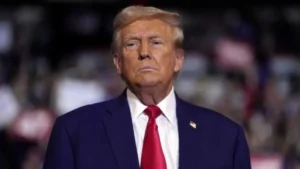
Trump has repeatedly vowed to support peaceful protesters and warned Tehran against using lethal force, saying the U.S. would “come to their rescue” if demonstrators are killed. In recent interviews, he reiterated the threat and suggested Iran’s leadership may be under mounting pressure.
European leaders and the European Union condemned violence against protesters, while Germany also denounced the use of force.
With communications largely cut and security forces poised to act, Iran appears to be heading toward a decisive confrontation — one that could further inflame tensions with Washington and deepen the country’s internal crisis.

