













The United Kingdom is leading a major international effort to restore global energy flows, as more than 40 countries come together to address the ongoing disruption in the Strait of Hormuz.
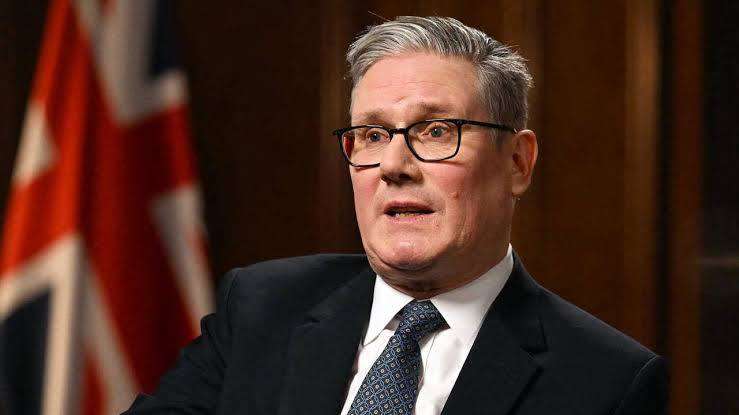
British Prime Minister Keir Starmer confirmed that the U.K. is spearheading diplomatic talks aimed at reopening the critical shipping route, which has been severely impacted by the ongoing Iran war.
The virtual summit, led by U.K. Foreign Secretary Yvette Cooper, focuses on political and diplomatic solutions rather than military intervention, as concerns grow over escalating risks in the region.
The Strait of Hormuz — a vital artery for global oil transport — has seen traffic reduced to near standstill levels, following repeated attacks on commercial vessels and ongoing threats from Iran. Since the war began, at least 23 ships have been targeted, with casualties reported among crew members.
British officials have accused Iran of effectively “holding the global economy hostage,” warning that disruptions in the strait are driving unsustainable increases in oil and food prices worldwide.
Notably, the United States is not participating in the talks. U.S. President Donald Trump has indicated that securing the waterway is not America’s responsibility, urging other nations dependent on the route to take action themselves.
The absence of the U.S. highlights growing divisions among Western allies, particularly as Trump has renewed criticism of NATO partners and suggested the possibility of withdrawing from the alliance.
In response, countries including Canada, France, Germany, Italy, Japan, and the United Arab Emirates have signed a joint statement calling for safe passage through the strait and pledging to support coordinated international efforts.
While military planners may explore security options after the conflict subsides, current discussions remain focused on diplomatic pathways and ensuring the safety of thousands of seafarers and vessels stranded in the region.
As global energy markets remain under pressure, the outcome of these talks could play a critical role in stabilizing supply chains and preventing further economic fallout.

