













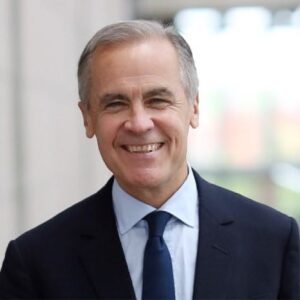
Prime Minister Mark Carney’s decision to place trade and security at the core of Canada’s foreign policy is reshaping how the country projects its values abroad, prompting debate over whether human rights have been pushed to the margins. The Liberal government maintains that Canada continues to champion human rights while pursuing stronger economic ties with partners such as China, India and Gulf states. Critics, however, argue that the shift in priorities signals a quieter, more cautious approach to values-based diplomacy — one that is also influencing how Canadian diplomats are trained. University of Ottawa professor Stephen Brown said the government has not openly abandoned human rights, but the change in emphasis is evident. “They won’t say outright that values matter less,” he said, “but that increasingly seems to be the case.”
Carney acknowledged last month that Canada no longer operates under an explicitly feminist foreign policy, even as his government claims it continues to defend LGBTQ+ rights and combat gender-based violence internationally. Speaking at the G20 summit in Johannesburg, he said gender equality remains part of Canada’s agenda, though no longer framed as a defining pillar. The remarks followed criticism from rights advocates over Ottawa’s efforts to court investment from the United Arab Emirates, amid allegations the country has contributed to ethnic violence in Sudan.
Former foreign affairs minister Lloyd Axworthy has been among the most vocal critics, accusing Carney of softening Canada’s values to preserve trade relations with U.S. President Donald Trump. Axworthy argues that Ottawa has failed to show leadership on issues such as U.S. sanctions against members of the International Court of Justice, including a Canadian, and has not mounted a strong push to prevent countries from withdrawing from the Ottawa Treaty banning landmines. He has also criticized the government’s November budget, which signalled reduced funding for global health initiatives. Brown said the cuts suggest Canada no longer wants to play a leadership role internationally, warning that the country’s credibility is at stake.
“Reputation is a currency,” Brown said. “If Canada is seen as unwilling to disagree with the United States or stand up for its citizens abroad, it risks being viewed as a pushover.” Foreign Affairs Minister Anita Anand has rejected the notion that Canada is retreating from human rights. In her first address to the United Nations as Canada’s top diplomat, she described human rights as a third pillar of foreign policy alongside economic security and defence. Testifying before the House foreign affairs committee in November, Anand said shifting global dynamics and fiscal pressures require a new way of framing Canadian values. She said commitments to gender equality and the rights of women and girls would continue, but within a different geopolitical context.

