













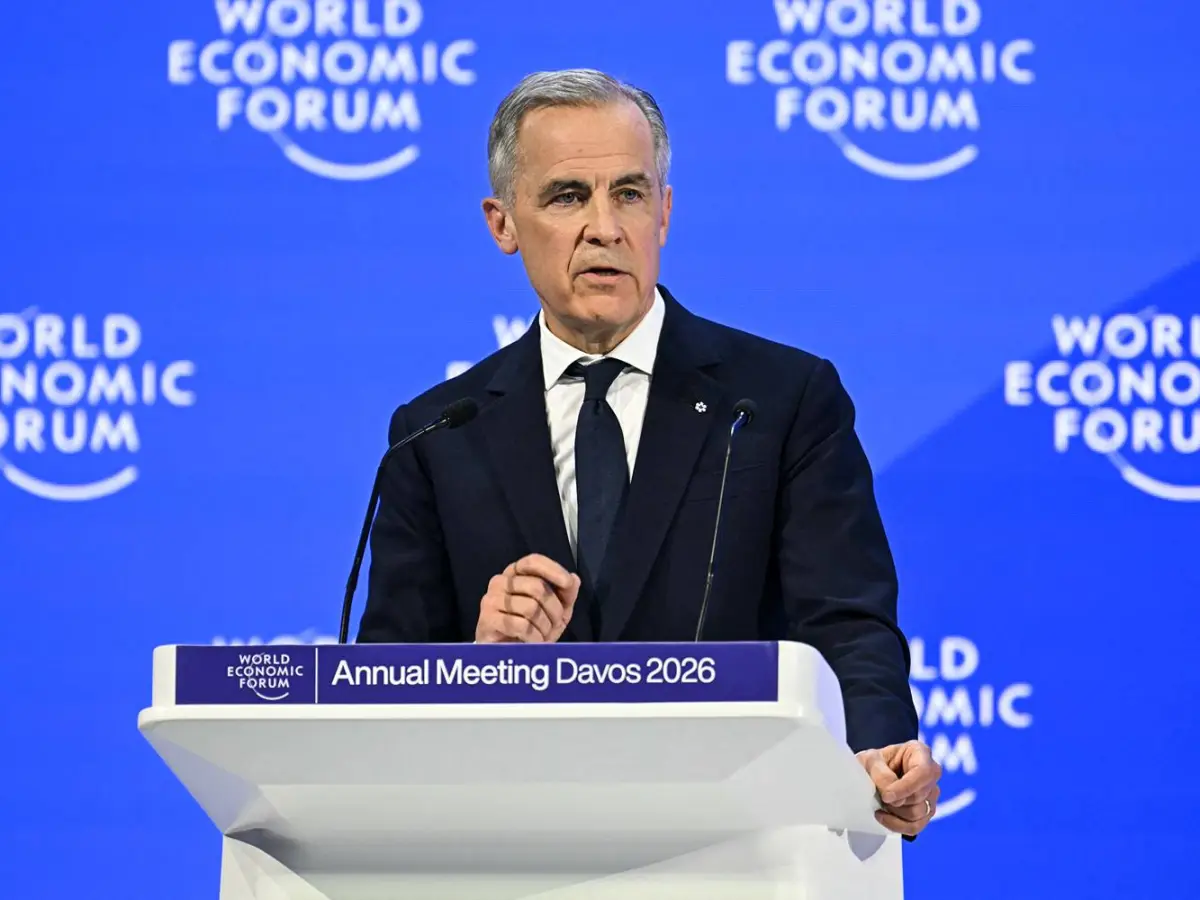
Prime Minister Mark Carney and Chinese President Xi Jinping agreed to expand bilateral trade cooperation during a meeting in Shenzhen on Tuesday, November 17, ahead of the Asia-Pacific Economic Cooperation (APEC) summit. The agreement will eliminate Chinese tariffs on approximately $400 million worth of Canadian agricultural and seafood exports annually in exchange for expanded Canadian tariff exemptions on selected Chinese steel and aluminum products.
The new measures build on a preliminary trade arrangement reached in January 2026 and subsequently extended through the end of 2028. The agreement represents another step toward strengthening economic relations between Ottawa and Beijing as Canada seeks to diversify its international trading partnerships.
Under the arrangement, China will remove its 25 per cent retaliatory tariff on several Canadian products, including frozen pork cuts valued at approximately $116 million annually and Greenland halibut exports worth $96 million. The exemptions also cover frozen cold-water shrimp and prawns, selected mollusks such as geoduck, and sea cucumbers.
Beijing has additionally agreed to expand market access for Canadian fava beans, chickpeas and lentils. Both governments committed to pursuing further agreements covering pet food and wild aquatic products before the end of 2026.
In return, Canada will extend its tariff remission program to 32 additional Chinese metal products, comprising 23 steel categories and nine aluminum products. The program provides relief from Canada’s 25 per cent import tariff on designated goods where domestic supplies are unavailable or insufficient. The expanded exemptions will remain in effect through the end of 2028.
The two leaders also announced plans to strengthen commercial cooperation beyond agricultural and industrial trade. Canada and China designated 2027 as a year of e-commerce cooperation, with Ottawa planning a major trade mission to China to help Canadian small and medium-sized businesses access Chinese digital marketplaces.
Discussions also addressed financial services, regulatory coordination and aviation connectivity. Both countries expressed interest in improving access to financial markets and expanding direct passenger flights, including a proposed Air Canada service connecting Vancouver and Guangzhou beginning in May 2027.
Canadian agricultural industry representatives welcomed the tariff reductions, particularly those benefiting pork producers and seafood exporters. Organizations including the Canadian Meat Council and HyLife described the measures as an opportunity to restore access to an important export market, although restrictions on Canadian pork organ meats remain unresolved.
The agreement comes as Carney’s government works to reduce Canada’s dependence on the United States by strengthening commercial relationships with other major economies. However, the decision to ease restrictions on Chinese steel and aluminum could complicate trade relations with Washington, where the Trump administration has maintained a more restrictive approach toward Chinese industrial imports.
Despite these potential challenges, the latest concessions signal continued efforts by Ottawa and Beijing to rebuild economic ties following years of trade disputes and diplomatic tensions. Both governments have indicated that further negotiations will focus on expanding market access, supporting business investment and strengthening long-term commercial cooperation.

