













Delhi experienced its worst Diwali air pollution levels in five years, with the city’s average Air Quality Index (AQI) reaching 376 on November 8, 2026, according to data from the Central Pollution Control Board (CPCB). The sharp deterioration in air quality was attributed to widespread firecracker use, agricultural stubble burning and unfavourable weather conditions that trapped pollutants close to the ground.
The AQI reading of 376 was the highest recorded on Diwali since 2021, when the index reached 382. The latest figure also exceeded readings of 345 in 2025, 328 in 2024, 218 in 2023 and 312 in 2022, highlighting the severity of this year’s pollution episode.
Air quality remained dangerously poor the following morning, with Delhi recording an overall AQI of 371 at 10 a.m. on November 9, marking the worst post-Diwali morning pollution level since 2021. Of the city’s 51 air quality monitoring stations, 14 registered readings in the severe category, 33 reported very poor conditions and four recorded poor air quality. Delhi Technological University registered the highest station-level AQI at 439.
A thick layer of smog engulfed the national capital, significantly reducing visibility across several areas. At Safdarjung, visibility dropped to just 50 metres during the early morning hours, while Palam recorded visibility of approximately 400 metres. Some independent air quality monitoring platforms reported localized pollution spikes exceeding an AQI of 2,000 overnight, although these readings differed from the CPCB’s official measurements.
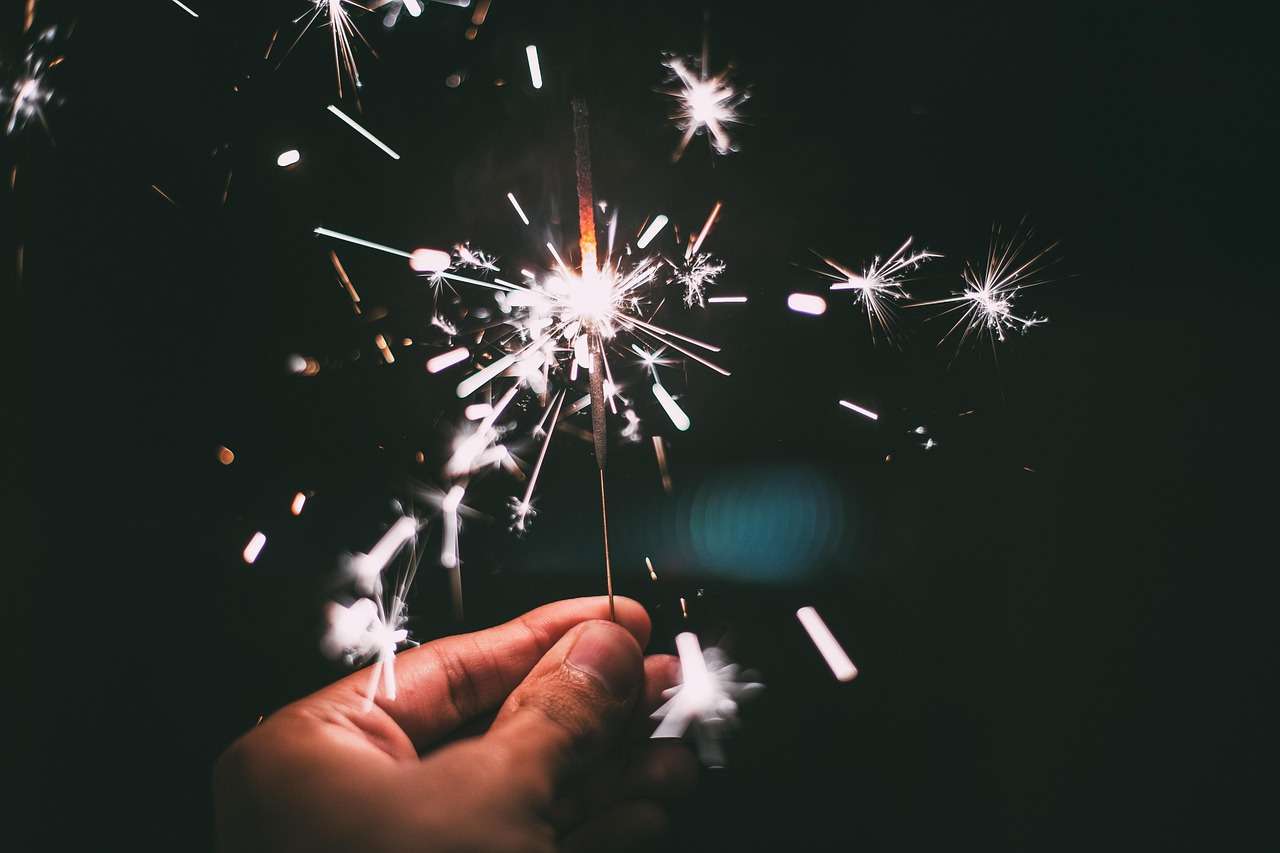
The deterioration followed extensive firecracker use during Diwali celebrations, despite restrictions imposed by the Supreme Court. Fireworks contributed to a sharp increase in airborne particulate matter, adding to the pollution already generated by traffic, industrial activity and construction dust.
Agricultural residue burning in neighbouring states, particularly Punjab and Haryana, also contributed to the regional pollution burden. Seasonal crop burning releases large quantities of smoke and fine particulate matter into the atmosphere, which can travel across state boundaries and worsen air quality in Delhi and surrounding areas.
Weather conditions further intensified the situation, with low temperatures and weak winds limiting the dispersion of pollutants. The accumulation of fine particulate matter, particularly PM2.5, created hazardous breathing conditions and heightened health concerns for residents, especially children, older adults and people with respiratory illnesses.
The latest pollution episode has renewed concerns over Delhi’s persistent winter air quality crisis and the effectiveness of existing pollution-control measures. Despite restrictions on fireworks and efforts to reduce agricultural burning, the capital continues to experience severe seasonal pollution driven by a combination of local emissions, regional sources and atmospheric conditions.

