













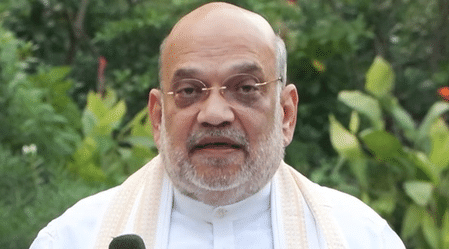
India hosted the first meeting of Home Ministers from the Bay of Bengal Initiative for Multi-Sectoral Technical and Economic Cooperation (BIMSTEC) in New Delhi on Tuesday, October 13, marking a significant step toward strengthening regional security cooperation and addressing emerging cross-border threats.
Chaired by Union Home Minister Amit Shah, the meeting brought together representatives from all seven BIMSTEC member countries: Bangladesh, Bhutan, India, Myanmar, Nepal, Sri Lanka and Thailand. Discussions focused on counterterrorism, organized crime, drug trafficking, human trafficking, cybersecurity and disaster management.
Addressing the gathering, Shah reaffirmed India’s zero-tolerance policy toward terrorism and emphasized the importance of coordinated regional action to prevent terrorist organizations from establishing safe havens, recruiting members, securing funding or carrying out attacks against neighbouring countries.
He highlighted five priority areas for cooperation, including drug control, counterterrorism and legal assistance, the repatriation of fugitive criminals, cybersecurity and cybercrime investigations, and institutional capacity building.
Shah also called for stronger intelligence-sharing mechanisms, financial investigations, extradition arrangements and cooperation among law enforcement and border security agencies to combat transnational criminal networks.
Describing narcotics trafficking as a serious threat to regional stability, Shah warned that illegal drug networks endanger young people and communities while generating revenue that can support organized crime and terrorist activities.
He advocated a coordinated regional strategy, emphasizing that individual countries cannot effectively address drug trafficking without cooperation from neighbouring nations.
The meeting resulted in the approval of several major initiatives designed to strengthen security coordination across South and Southeast Asia.
Among the key agreements was the BIMSTEC Convention against Trafficking in Persons, which seeks to improve cooperation in preventing human trafficking, prosecuting offenders and protecting and rehabilitating victims.
Member countries also approved the BIMSTEC Plan of Action on Drug Control, targeting the illegal movement of narcotics, psychotropic substances and chemicals used in drug production.
Another significant development was the approval of a memorandum of understanding on capacity building to combat money laundering and terrorist financing. The agreement provides for specialized training, intelligence exchanges, financial investigations, asset recovery and cooperation in preventing illicit financial activities.
The ministers additionally endorsed a regional action plan addressing illicit financial flows, aimed at identifying the sources, risks and channels used to transfer illegal funds across borders.
Disaster preparedness was another major focus of the discussions. Shah highlighted India’s proposal to establish a BIMSTEC Disaster Management Centre in Jamnagar, Gujarat, to strengthen regional coordination during natural disasters.
The participating countries approved a disaster preparedness action plan covering early warning systems, joint exercises, disaster mapping, research, technological cooperation and tsunami risk reduction.
The meeting also adopted the Delhi Declaration, outlining a collective commitment to regional peace, security and development. The declaration emphasizes stronger cooperation against terrorism, radicalization, human trafficking, cybercrime and organized criminal networks.
It further prioritizes intelligence sharing, mutual legal assistance, extradition and the protection of trafficking victims exploited through online scams.
India reiterated its willingness to share expertise in police training, counterterrorism operations and forensic investigations with other BIMSTEC members.
Shah emphasized that the security of each member country contributes to the stability of the entire region and reaffirmed India’s commitment to building a peaceful, secure and prosperous Bay of Bengal region.
The inaugural meeting follows commitments made during previous BIMSTEC summits to deepen cooperation among member countries. The initiative reflects India’s broader efforts to strengthen regional partnerships and develop coordinated responses to increasingly complex security challenges.
Established to promote cooperation between South and Southeast Asia, BIMSTEC serves as an important platform for regional economic integration, development and collective security.
The adoption of the Delhi Declaration and multiple security agreements represents a significant development in efforts to improve cooperation against transnational threats while strengthening disaster preparedness and institutional coordination across the region.

