













Iran has defended its revised proposal to resume peace negotiations with the United States within 48 to 72 hours, despite Washington dismissing Tehran’s conditions as unrealistic, highlighting the continuing diplomatic deadlock between the two countries.
Iranian Foreign Ministry spokesperson Esmaeil Baghaei defended the proposal, which calls for an immediate cessation of hostilities, the removal of American naval restrictions and the easing of economic sanctions before direct negotiations can begin.
The renewed diplomatic effort comes amid continued tensions over the Strait of Hormuz, a critical maritime passage for global energy shipments, and concerns that renewed military confrontation could further destabilize the Middle East.
Iran demands end to hostilities and sanctions before negotiations
Under Tehran’s revised proposal, the United States would be required to halt military operations against Iran, lift its naval blockade of Iranian ports, remove economic sanctions and release frozen Iranian assets as conditions for reopening direct negotiations.
In exchange, Iran has offered to end its restrictions on shipping through the Strait of Hormuz, a strategic waterway connecting the Persian Gulf to international markets.
Baghaei defended the proposed conditions, arguing that Iran’s demands were reasonable given the military and economic pressures facing the country.
The shortened negotiation timeline is intended to accelerate diplomatic engagement, although substantial disagreements remain over the sequence of concessions and the guarantees required by both sides.
Washington rejects Iranian conditions as unrealistic
U.S. Secretary of State Marco Rubio rejected Tehran’s proposed terms, describing them as “outrageous and ridiculous” and indicating that the two sides remain far from reaching a diplomatic breakthrough.
Washington has opposed Iran’s demand for major concessions before formal negotiations begin, maintaining that any agreement must include credible commitments and enforceable security arrangements.
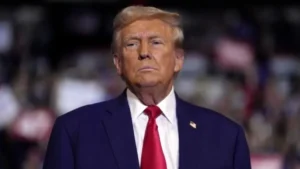
President Donald Trump, meanwhile, suggested that additional American military strikes would be unlikely if meaningful progress were made toward a comprehensive agreement.
However, Trump also warned that the United States had identified numerous potential infrastructure targets in Iran, including 38 bridges, should hostilities resume.
The remarks underscored Washington’s continued reliance on military pressure alongside diplomatic engagement as it seeks an agreement with Tehran.
Qatar intensifies diplomatic efforts to bridge differences
Qatar has emerged as a key intermediary in efforts to revive negotiations between Washington and Tehran.
Qatari Prime Minister and Foreign Minister Sheikh Mohammed bin Abdulrahman Al-Thani has been leading mediation efforts, including discussions with President Trump and Vice President JD Vance in Washington.
The latest diplomatic initiative follows earlier negotiations in Pakistan and exchanges of messages through Doha, reflecting continued attempts by regional intermediaries to prevent another escalation.
Qatar’s involvement is particularly significant given its established diplomatic relationships with both the United States and Iran.
Strait of Hormuz remains central to negotiations
Control over maritime access through the Strait of Hormuz remains one of the most consequential issues in the negotiations.
The narrow waterway serves as a major transit route for international oil and liquefied natural gas shipments, making disruptions to shipping a significant concern for global energy markets.
Iran’s offer to lift restrictions on the strait could provide an important opening for negotiations, although Washington and Tehran remain divided over the conditions under which such measures would be implemented.
The United States has reportedly explored a phased approach to easing tensions around the waterway, contrasting with Iran’s demand for broader concessions before direct talks resume.
Despite renewed mediation efforts, neither side has announced a formal agreement to restart negotiations.
The latest developments suggest that diplomatic channels remain active, but substantial differences over sanctions, military operations and maritime security continue to obstruct a comprehensive settlement.

