













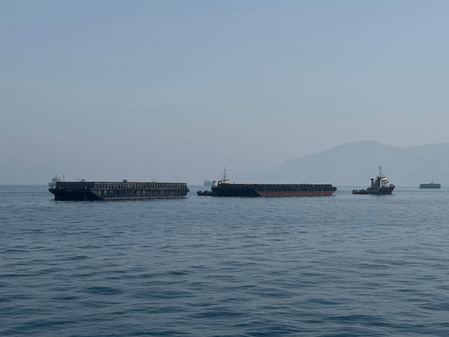
Iran says it will not reopen the Strait of Hormuz until the United States meets a series of demands, prolonging a shipping standoff that has disrupted global energy markets and become one of the most significant consequences of the ongoing conflict.
Iranian Foreign Ministry spokesperson Esmail Baghaei said Monday that Washington must take steps to address what Tehran considers illegal and damaging actions, including the U.S. blockade of Iranian ports.
Iran is demanding that the United States lift the blockade, compensate Tehran for damage caused during months of conflict, remove economic sanctions and release frozen Iranian assets before normal shipping through the strategic waterway resumes.
The Strait of Hormuz is one of the world’s most important energy corridors, normally carrying roughly one-fifth of globally traded oil supplies. Its closure has heightened concerns over energy supplies and prices, putting additional pressure on governments and consumers around the world.
The continuing disruption has also emerged as a political issue in the United States ahead of November’s midterm elections, with energy prices remaining a major concern.
Despite the impasse with Washington, Iran is holding separate discussions with Oman about transit through the strait. Those talks reportedly include the possibility of establishing a temporary shipping corridor that could allow some vessels to pass through the waterway.
Tehran, however, has maintained that a full reopening of the Strait of Hormuz depends on the outcome of negotiations with the United States.
U.S. President Donald Trump has meanwhile indicated that Washington is currently emphasizing economic pressure on Tehran rather than launching another major military campaign.
The dispute leaves the future of shipping through the Strait of Hormuz dependent on diplomatic negotiations, with Iran signaling that it expects significant concessions from Washington before agreeing to restore normal maritime traffic.

