













Representatives from Russia, Ukraine and the United States convened in Abu Dhabi on Tuesday, November 10, for another round of negotiations aimed at ending the nearly five-year war, as U.S. President Donald Trump expressed optimism that a peace agreement could be reached soon.
The American delegation is being led by Trump’s special envoy Steve Witkoff and his son-in-law Jared Kushner, while Ukraine’s negotiating team is headed by Foreign Intelligence Service chief Rustem Umerov. Russia’s delegation includes Kremlin aide Vladimir Medinsky, senior presidential adviser Yuri Ushakov and Deputy Foreign Minister Sergei Ryabkov.
The latest discussions follow an initial U.S.-mediated trilateral meeting in Geneva in February 2026. Although previous negotiations have facilitated prisoner exchanges and temporary localized ceasefires, the two countries remain deeply divided over territorial control, security guarantees and Ukraine’s future relationship with NATO.
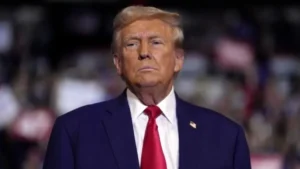
Ahead of the meeting, Trump expressed confidence in the diplomatic process, arguing that both Moscow and Kyiv were increasingly exhausted by the prolonged conflict. Speaking to CBS News, the president predicted that the war could end soon, despite acknowledging the deep hostility between Russian President Vladimir Putin and Ukrainian President Volodymyr Zelenskyy.
Security arrangements are expected to dominate the negotiations. Russian Foreign Minister Sergey Lavrov said the discussions would address broader regional security concerns and establish principles for a potential comprehensive settlement. Ukraine, meanwhile, has identified an end to hostilities, binding postwar security guarantees, economic reconstruction and humanitarian assistance as its principal priorities.
However, significant disagreements remain over Russia’s territorial demands. Moscow continues to insist that Ukraine withdraw from Donetsk, Luhansk, Zaporizhzhia and Kherson, four regions Russia claimed to annex in 2022 following internationally disputed referendums. The Kremlin also demands restrictions on Ukraine’s military capabilities and a permanent prohibition on NATO membership.
Zelenskyy has rejected territorial concessions involving areas still under Ukrainian control and maintains that any agreement must include enforceable security commitments from the United States and NATO allies. Kyiv has also insisted on retaining the right to determine its own defence arrangements and military capabilities.
The negotiations are taking place amid continued military escalation. Ukraine’s air force reported that Russia launched 162 drones, including 96 jet-powered drones, and one ballistic missile overnight into Tuesday. Ukrainian defences reportedly intercepted or suppressed 135 drones, while strikes were recorded at 19 locations. Russia’s Defence Ministry separately claimed to have intercepted at least 155 Ukrainian drones.
Despite Washington’s diplomatic efforts, Ukrainian officials have expressed doubts about Moscow’s willingness to reach a meaningful compromise. Ukrainian parliamentary foreign affairs committee chair Oleksandr Merezhko suggested that the negotiations could produce further prisoner exchanges but questioned whether Russia was genuinely prepared to accept a ceasefire.
American officials have adopted a more cautiously optimistic position, describing the Abu Dhabi meetings as a potential foundation for more substantive negotiations. However, analysts caution that the absence of significant diplomatic progress over recent months makes an immediate breakthrough unlikely.
The renewed peace initiative comes as fighting continues along the approximately 1,200-kilometre frontline, with both sides intensifying long-range drone and missile attacks. As the conflict approaches its fifth anniversary in February 2027, the Abu Dhabi discussions represent another attempt to bridge fundamental disagreements over territory, sovereignty and Europe’s future security arrangements.

