













The United States and Iran have reached a preliminary agreement aimed at extending their fragile ceasefire and reopening the strategically vital Strait of Hormuz, raising hopes of an end to months of conflict that has destabilized the Middle East and disrupted global energy markets.
While details of the agreement have not yet been released, mediators say the deal is expected to be formally signed Friday in Geneva. Until then, key provisions—including the reopening of the Strait of Hormuz—will remain on hold.
The breakthrough has been welcomed by governments around the world, but significant questions remain about whether the agreement can survive ongoing tensions involving Israel and its military operations in Lebanon.
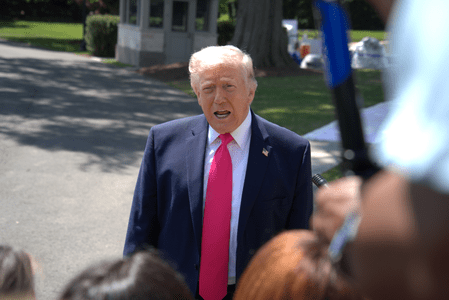
U.S. President Donald Trump announced the agreement Sunday, saying he had authorized an end to the U.S. blockade of Iranian ports and the eventual reopening of the Strait of Hormuz. Iran later confirmed the deal but said implementation would begin only after the official signing ceremony.
The closure of the Strait of Hormuz earlier this year severely disrupted global energy markets. Prior to the conflict, roughly one-fifth of the world’s oil and natural gas shipments passed through the waterway. Energy analysts warn that even after reopening, it could take months for shipping traffic and fuel markets to fully stabilize.
The most significant challenge facing the agreement may be the continuing conflict between Israel and the Iranian-backed Hezbollah movement in Lebanon.
Iran has repeatedly insisted that any lasting peace arrangement must include an end to hostilities in Lebanon. However, Israeli officials have signalled no intention of withdrawing from territory seized during recent military operations.
Israeli Defence Minister Israel Katz said Israel would maintain its presence in areas under its control in Lebanon, Syria and Gaza, while continuing operations against perceived security threats.
A spokesperson for Prime Minister Benjamin Netanyahu said Israel remains committed to defending itself and preventing attacks from Hezbollah, emphasizing that the country is not a party to the U.S.-Iran agreement.
The dispute over Lebanon has emerged as one of the most serious risks to the deal’s survival, with both Tehran and Jerusalem maintaining firm positions.
The agreement also leaves unresolved the future of Iran’s nuclear program.
Under the preliminary framework, negotiators have 60 days to determine how Iran’s stockpile of highly enriched uranium will be managed and what restrictions may be placed on its nuclear activities.
The issue remains a major concern for both Washington and Israel, which argue Iran could eventually use the material to develop nuclear weapons. Tehran continues to insist its nuclear program is exclusively for peaceful civilian purposes.
The challenge is considerable. The original 2015 nuclear agreement between Iran and world powers took years to negotiate before President Trump withdrew the United States from the accord during his first term, contributing to the tensions that ultimately led to the current conflict.
Despite the uncertainties, international leaders have largely welcomed the announcement.
Prime Minister Mark Carney said Canada strongly supports efforts to secure a lasting ceasefire and restore safe navigation through the Strait of Hormuz.
French President Emmanuel Macron said Western allies stand ready to assist with restoring commercial shipping traffic and clearing mines from the waterway once a final agreement is reached.
The deal is expected to be a major focus of discussions at the G7 Leaders’ Summit in Évian, France, where world leaders are gathering this week amid ongoing concerns about global security, energy supplies and economic stability.
While the agreement marks the most significant diplomatic breakthrough since the war began in February, officials caution that several critical issues remain unresolved. The coming days, particularly the planned signing ceremony in Geneva, will determine whether the ceasefire evolves into a durable peace settlement or remains another temporary pause in a volatile regional conflict.

