













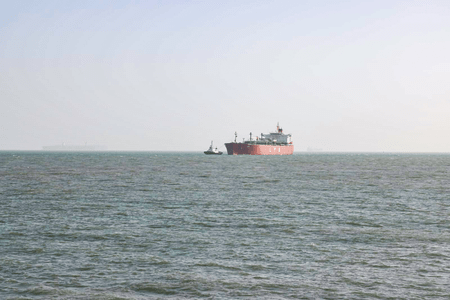
sh attacks on commercial vessels in the Strait of Hormuz have heightened tensions and cast uncertainty over ongoing peace negotiations between the United States and Iran, with the strategic waterway emerging as one of the most contentious issues in efforts to secure a lasting agreement.
According to the United Kingdom Maritime Trade Operations (UKMTO), a tanker caught fire late Monday after being struck by an unidentified projectile while sailing near the Omani coast in the Strait of Hormuz. The vessel sustained damage after being hit on its port side, triggering a fire onboard.
Separately, Axios, citing two U.S. officials, reported that Iran’s Islamic Revolutionary Guard Corps (IRGC) fired at least two missiles at commercial ships transiting the strait. Two vessels were reportedly damaged, though no casualties were reported. It remains unclear whether one of the damaged ships is the same tanker identified by the UKMTO.
Reuters, citing unnamed sources, identified one of the affected vessels as the Qatari LNG tanker Al Rekayyat. The ship reportedly sent distress signals after the attack, while concerns remain over a possible explosion due to an engine room fire. A second damaged vessel was identified as a Saudi-flagged crude oil tanker.
Iranian state media suggested the LNG tanker may have ignored warnings before entering the area, although Tehran has not officially claimed responsibility for the incident. Neither the IRGC nor U.S. Central Command commented publicly on the reports.
Analysts say the attacks come at a particularly sensitive moment, as indirect negotiations continue over a permanent peace agreement following the U.S.-Iran memorandum of understanding signed on June 14, which paused hostilities after months of conflict.
The Strait of Hormuz has become a central issue in those negotiations. Iran effectively restricted shipping through the vital waterway after the outbreak of the conflict, requiring some vessels to negotiate passage with the IRGC. Before the war, roughly 120 to 140 ships—including tankers carrying nearly 20 million barrels of oil per day—passed through the strait daily, accounting for about 20 per cent of global oil and gas supplies.
Although shipping traffic has gradually recovered, with 108 verified vessel crossings recorded between July 3 and July 5, uncertainty continues to affect commercial operators. Analysts say concerns remain over navigation rules, potential sea mines, and future Iranian control over transit through the strait.
Tehran-based analyst Hossein Royvaran suggested the Qatari tanker may have entered an area where Iranian teams were conducting mine-clearing operations. Earlier this year, the IRGC released an approved shipping route designed to avoid areas believed to contain mines, although Iranian authorities have never formally confirmed the presence of mines in the waterway.
Another unresolved issue in the negotiations is whether Iran will seek to impose transit or environmental fees on ships using the Strait of Hormuz. The United States has strongly opposed any arrangement that could expand Tehran’s influence over one of the world’s most strategically important maritime routes.
Political analysts say Iran views control of the strait as a significant source of leverage, while Washington continues to insist on preserving freedom of navigation.
The latest maritime incidents also coincide with national mourning ceremonies in Iran following the death of former Supreme Leader Ayatollah Ali Khamenei during U.S.-Israeli strikes earlier this year.
Meanwhile, U.S. President Donald Trump reiterated that Washington would either reach a final agreement with Iran or resume military action, saying he preferred diplomacy but remained prepared to use force if negotiations failed.
Iranian Foreign Minister Abbas Araghchi condemned the remarks, arguing they violate the existing memorandum of understanding. He warned that negotiations on a permanent agreement would not proceed if military threats continued, while insisting that recent public displays of support for Iran’s leadership demonstrated the country’s unity despite ongoing international pressure.

