













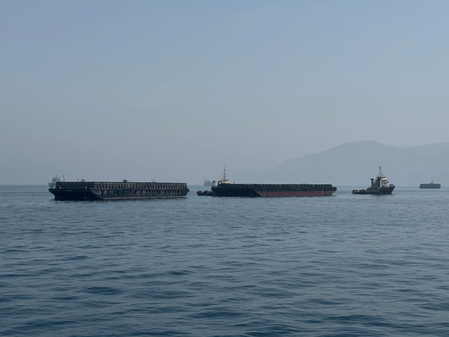
Iran and Oman are reportedly close to reaching an agreement on new arrangements for the Strait of Hormuz, although Tehran says the discussions do not yet amount to a full reopening of the strategically important waterway.
Iran’s state news agency reported Thursday that negotiations with Oman were progressing. U.S. President Donald Trump also said that “a lot of progress” had been made toward reopening the strait and suggested an announcement could come soon.
The Strait of Hormuz is a critical route for global energy shipments, and restrictions linked to the ongoing Middle East conflict have disrupted trade and heightened concerns over oil and gas supplies.
The diplomatic push comes as fighting elsewhere in the region intensifies.
In Yemen, Iran-backed Houthi forces launched missile and drone attacks against troops aligned with the internationally recognized government on Thursday. A military source said at least 58 government troops were killed and dozens injured, making it one of the deadliest days in Yemen’s conflict since 2022.
Houthi military spokesperson Yahya Saree said the attacks targeted government positions in response to what the group described as a Saudi-backed military buildup.
Yemen’s defence ministry said its forces would respond “at the appropriate place and time.”
The escalation also spilled into neighbouring Saudi Arabia, where officials said 11 civilians were wounded in Houthi attacks in the southern Najran region.
The widening regional instability is also driving closer security cooperation among major regional powers. Saudi Arabia, Pakistan and Turkiye are moving toward deeper collective defence ties as concerns grow over the impact of the Iran conflict and attacks by Tehran-aligned groups.
Meanwhile, Trump has rejected reports that months of fighting with Iran have significantly depleted U.S. munitions stockpiles, while expressing support for Defense Secretary Pete Hegseth.
Any agreement concerning the Strait of Hormuz could represent an important diplomatic development in efforts to ease the economic consequences of the conflict. However, according to the Iranian account, negotiations currently concern new arrangements for the waterway rather than an agreement for its complete reopening.

