













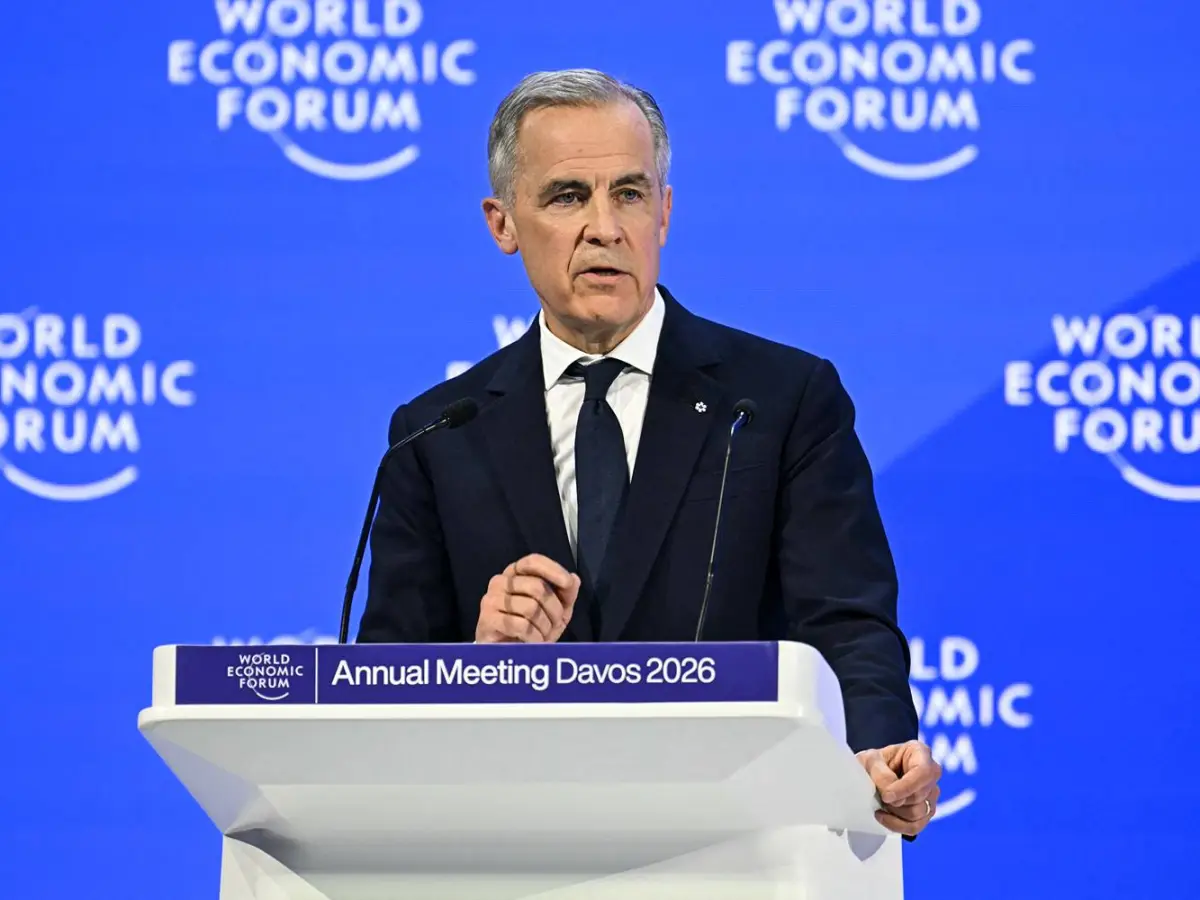
Canada’s long-awaited Foreign Influence Transparency Registry will officially come into force on August 4, marking a significant step in the federal government’s efforts to strengthen protections against foreign interference in the country’s democratic institutions.
The implementation date was confirmed through an order-in-council issued by Prime Minister Mark Carney’s cabinet. Individuals and organizations already working on behalf of foreign governments or entities will have 60 days from August 4 to register their existing arrangements.
Former British Columbia Chief Electoral Officer Anton Boegman will assume the role of Canada’s first Foreign Influence Transparency Commissioner on the same day. He will oversee the registry and report to Public Safety Minister Gary Anandasangaree.
The registry requires individuals or organizations acting on behalf of a foreign government or foreign principal to influence Canada’s political or governmental processes to disclose their activities. Those who fail to comply could face penalties of up to $1 million. The requirements apply to efforts aimed at influencing federal, provincial, territorial and municipal governments.
The initiative forms part of Canada’s broader response to concerns over foreign interference that emerged during the 2024 Foreign Interference Commission led by former Justice Marie-Josée Hogue. Although legislation establishing the registry received royal assent in June 2024 under former Prime Minister Justin Trudeau’s government, its implementation has been delayed, prompting criticism from opposition parties and community groups concerned about continued foreign interference targeting diaspora communities.
The federal government has announced that, at least initially, the registry requirements will not apply to activities intended to influence Indigenous bands, councils or governments. No explanation was provided for the exemption in the June 22 order-in-council.
Under the new framework, anyone entering into an arrangement with a foreign principal to influence public policy, legislation, elections, government decisions, procurement processes or referendums must register the arrangement within 14 days. The rules also cover activities such as communicating with public office holders, distributing information through traditional or social media, providing funding or other items of value, offering services or making facilities available to support influence activities.
Public Safety Minister Gary Anandasangaree’s office said the registry represents an important milestone in Canada’s efforts to counter foreign interference.
In a statement, the minister’s office said the appointment of the commissioner and the launch of the registry reinforce Canada’s commitment to protecting democratic institutions and ensuring that attempts to influence public decision-making on behalf of foreign interests are conducted transparently and held accountable.
The regulations require registrants to disclose detailed information about the foreign principal, including contact information, the nature of the arrangement, compensation or benefits received, the political or governmental processes being targeted and the objectives of the influence activities.
Additional reporting requirements apply to specific methods of influence. Those using social media must identify the platforms, usernames and relevant online channels involved. Television, radio, audio-visual content and publications must also be identified where applicable. Registrants providing financial support, goods, services or facilities must disclose estimated values and describe how those resources will be used.
The federal government estimates that more than 2,400 individuals and businesses in Canada are currently engaged in activities on behalf of foreign principals that may fall under the registry’s requirements.
The registry follows similar transparency measures adopted by several allied countries. The United States has maintained a foreign agent registration system since 1938, Australia introduced its foreign influence transparency scheme in 2018, and the United Kingdom brought comparable legislation into force in 2025.
Justice Marie-Josée Hogue concluded in her inquiry that foreign interference remains a serious threat to Canada’s democracy, identifying China as the country’s most persistent and sophisticated foreign interference threat. Her report also cited intelligence indicating that an alleged proxy connected to the Government of India may have attempted to secretly channel funds to candidates during the 2021 federal election.
The Foreign Influence Transparency Registry is intended to increase public accountability by ensuring that influence activities carried out on behalf of foreign governments are disclosed and subject to oversight.

