













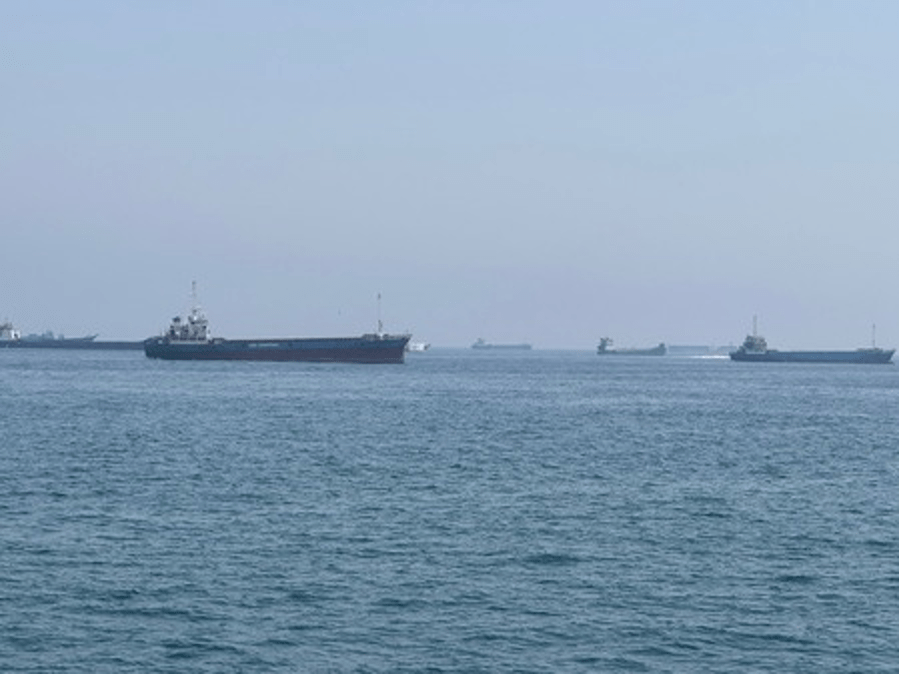
Global oil prices climbed to their highest level in more than a month on Tuesday as escalating attacks between the United States and Iran renewed concerns about energy supplies moving through the Strait of Hormuz.
Benchmark Brent crude surged above US$87 a barrel before easing to around US$85.15 by late Tuesday afternoon. The jump marked a roughly 21 per cent increase from its July 1 level of US$71.57 a barrel.
Oil prices remain below their May peak of US$114.44 a barrel but could face further upward pressure if the conflict disrupts shipping through the Strait of Hormuz, one of the world’s most critical energy routes.
The latest price spike came as the U.S. moved to impose a naval blockade on Iran in the strategic waterway following Iranian attacks on regional U.S. allies and commercial vessels. Washington has also declared the previous ceasefire over, adding to uncertainty across global markets.
Oil stocks face increased volatility
Higher crude prices can generally boost revenue for major American oil producers because much of their production is located outside the Middle East. Companies can benefit from rising global prices while facing less direct exposure to regional supply disruptions.
Shares of major U.S. producers have already experienced significant volatility during the Iran conflict. ExxonMobil, Chevron and ConocoPhillips gained more than 10 per cent during March and April before falling by more than 20 per cent in May and June and rebounding again in July.
The three companies reported year-over-year revenue increases of between 10 and 15 per cent during the first quarter of 2026.
However, prolonged oil price volatility does not necessarily translate into sustained gains for energy companies or their investors.
Many oil producers use hedging strategies to lock in crude prices months in advance, protecting themselves against sharp market declines. Before the conflict escalated, concerns about a global oil oversupply led some producers to secure prices well below current levels.
Those contracts can limit the financial benefits companies receive from sudden oil price increases. ExxonMobil, for example, reported a US$700-million reduction in first-quarter earnings related to hedging.
Uncertainty complicates long-term investment
Sharp swings in crude prices can also make oil producers reluctant to invest billions of dollars in new drilling projects.
Major energy developments can take years to begin producing oil, meaning companies generally seek long-term price stability before committing significant capital. A sudden resolution to the Iran conflict could quickly push oil prices lower, making companies cautious about expanding production based on short-term market spikes.
ExxonMobil has previously attributed much of its recent revenue growth to increased production from offshore operations in Guyana rather than higher crude prices. The company began exploring for oil in Guyana in 2008 but did not begin production until 2019, highlighting the long timelines involved in major energy projects.
For energy investors, the escalating U.S.-Iran conflict is expected to drive continued short-term volatility in oil stocks and crude prices.
However, analysts suggest the latest price surge may have a limited impact on the long-term outlook for major oil companies such as ExxonMobil, Chevron and ConocoPhillips, with broader production strategies and long-term investments remaining key factors for the sector.

