













As geopolitical tensions intensify and global alliances evolve, Canada finds itself at a pivotal moment, balancing growing defence commitments, economic uncertainty and a changing international order.
In the latest edition of Editor’s Take, Y Media Group Editor Yudhvir Jaswal joined Associate Editor Ramona Singh to discuss Canada’s changing role on the world stage, the future of NATO, rising defence spending, the ongoing Russia-Ukraine conflict and renewed tensions between the United States and Iran.
Mr. Jaswal argued that Canada is entering a new phase in its international relations following months of trade disputes and political pressure from the United States.
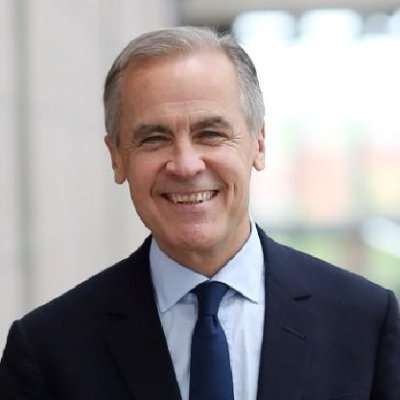
He pointed to growing tensions between Washington and several Western allies, suggesting Canada is increasingly being viewed as an independent global player rather than simply a close U.S. partner. According to Jaswal, Prime Minister Mark Carney’s recent international engagements and public statements reflect a broader effort to reposition Canada within a rapidly changing geopolitical landscape.
Despite domestic challenges, including economic pressures and regional separatist movements, Jaswal maintained that Canada should aspire to become a major global power capable of influencing international affairs rather than simply reacting to them.
Much of the discussion focused on NATO’s latest defence spending targets.
Ms. Singh noted that NATO members are now working toward significantly increasing military expenditures over the coming decade, with Canada already accelerating its defence investments through major procurement projects, including a new submarine fleet.
Mr. Jaswal acknowledged that the world has become increasingly unstable, citing conflicts in Eastern Europe and the Middle East. However, he questioned whether continuously expanding military budgets is the most effective path toward lasting peace.
While recognizing that national security requires investment, he argued that governments must also consider whether billions of dollars could generate greater long-term benefits if directed toward healthcare, education, infrastructure, scientific research and innovation instead.
According to Mr. Jaswal, strong infrastructure, economic resilience and technological leadership ultimately contribute just as much to national strength as military capability.
The conversation explored whether larger defence budgets necessarily make the world safer.
Mr. Jaswal observed that even nuclear powers have continued to engage in military conflicts, suggesting that weapons alone have not prevented wars. He argued that diplomacy, international cooperation and sustained political leadership remain essential for resolving conflicts before they escalate.
Rather than measuring success primarily through defence spending targets, Mr. Jaswal suggested international alliances should place greater emphasis on conflict resolution, negotiation and long-term peacebuilding.
He also questioned whether citizens would continue supporting rapidly increasing military expenditures if they come at the expense of investments in public services and economic development.
Ms. Singh connected NATO’s evolving defence strategy with another major global trend: artificial intelligence.
She noted that governments are increasingly integrating AI, cybersecurity and advanced technologies into national defence while businesses simultaneously use AI to automate jobs across multiple industries.
The discussion raised broader questions about public priorities, with Ms. Singh asking whether taxpayers would support directing more public funds toward military technologies while many workers face job displacement, affordability challenges and rising living costs.
Mr. Jaswal responded that governments should prioritize investments that directly improve people’s quality of life, including transportation networks, hospitals, educational institutions and modern public infrastructure.
He argued that these investments strengthen nations economically while also improving long-term social stability.
The Russia-Ukraine war remained another major point of discussion.
Mr. Jaswal questioned whether NATO’s primary objective should be increasing defence budgets or creating stronger diplomatic efforts to end the conflict.
While acknowledging Ukraine’s need for international support, he emphasized that long-term peace requires negotiations involving all major stakeholders rather than an indefinite cycle of military escalation.
He argued that ending ongoing conflicts should remain the alliance’s highest priority.
The discussion also examined renewed tensions between the United States and Iran following the breakdown of a temporary ceasefire.
Ms. Singh outlined how disputes surrounding the Strait of Hormuz, sanctions, oil exports and regional security have complicated efforts to transform a preliminary memorandum of understanding into a lasting peace agreement.
She explained that while the ceasefire initially helped stabilize global energy markets, unresolved disagreements and renewed military strikes have reignited concerns about another prolonged regional conflict.
Mr. Jaswal described the situation as a “fragile peace,” arguing that although hostilities have resumed, diplomacy remains the only realistic path toward a sustainable resolution.
He also noted that multiple regional actors—including Israel, Hezbollah, Hamas and other groups—continue to complicate negotiations, making any long-term agreement significantly more difficult to achieve.
Throughout the discussion, Mr. Jaswal emphasized that effective leadership should extend beyond defence policy.
He argued that governments should focus on building prosperous economies, expanding educational opportunities, strengthening healthcare systems and investing in infrastructure while continuing diplomatic efforts to reduce global conflicts.
As international tensions continue to reshape global politics, both editors agreed that Canada’s foreign policy decisions over the coming years will play an increasingly important role in determining its influence on the world stage.

